


The History of the Church of Santa Maria in Gradi
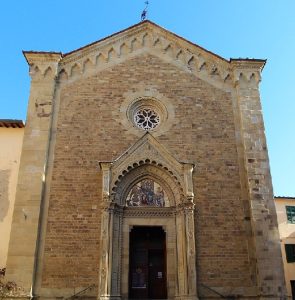
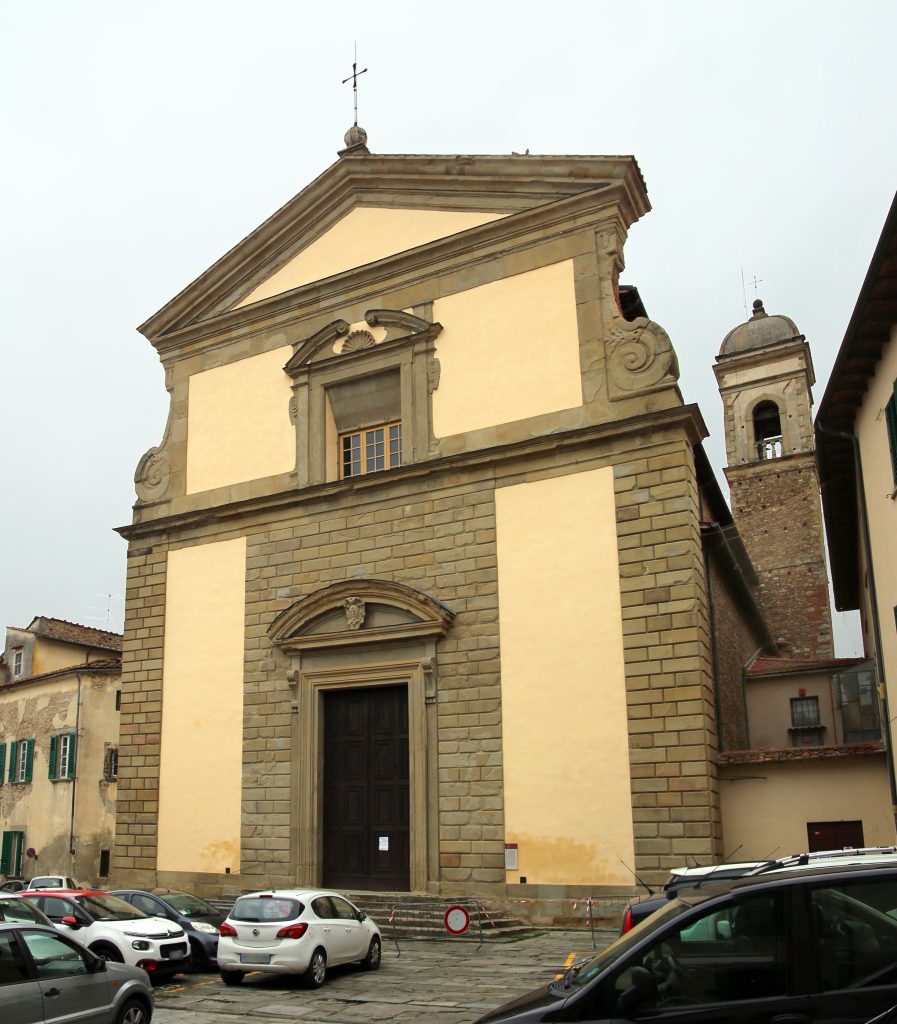
The Church of Santa Maria in Gradi, located in the square of the same name in Arezzo, has its roots in the 11th century. Initially, a small church with a Benedictine monastery, dependent on the Abbey of Agnano in Valdambra, stood here. This complex, built on an archaeological site of great significance, was one of the shelters for persecuted Christians in the 4th century.
Around 1050, the church was rebuilt in the Romanesque style, and part of this structure is still visible in the present crypt, influenced by Ravenna architecture. In the 12th century, Santa Maria in Gradi became the town landmark for the Camaldolese, maintaining this function until the suppression of the monasteries by the Grand Duchy of Tuscany in 1785. This long period of Camaldolese use gives the church a rich historical stratification, which still fascinates visitors today.
The Renaissance reconstruction by Bartolomeo Ammannati
In the 16th century, the Church of Santa Maria in Gradi underwent a significant architectural transformation. The original building, now inadequate to accommodate the faithful, was demolished and rebuilt following a design by Florentine architect Bartolomeo Ammannati. This intervention, begun in 1591, was inspired by the principles established by the Council of Trent, which called for sober and functional places of worship. The church was thus conceived with a single nave, so as to facilitate listening to sermons and foster a collected atmosphere.
When Ammannati died, the work was continued by Giorgio Vasari the Younger, who completed the building in twenty years. Later, between 1630 and 1633, the bell tower was erected in the late Mannerist style to the design of architect Giuseppe Betti. The interior of the church, enriched with side chapels, reflects the austere but elegant style typical of post-conciliar churches, imparting a sense of majesty and spirituality.
The glazed terracotta of Andrea della Robbia
One of the most precious treasures of the Church of Santa Maria in Gradi is the glazed terracotta of the “Madonna della Misericordia”, a work attributed to the workshop of Andrea della Robbia. Made in the late 15th century, this sculpture depicts the Madonna as she protects Saints Peter and Benedict under her mantle in a gesture of mercy and protection. The glazed terracotta technique, perfected by the della Robbia family, gives the work a unique appearance, characterized by brilliant colors and a glossy effect that makes it particularly striking.
Placed in the first chapel to the left of the entrance, the sculpture not only enriches the church artistically, but also represents a strong symbol of devotion for the faithful. This masterpiece is a splendid example of Florentine religious art and testifies to the mastery of the della Robbia workshop in the production of sacred works.
The wooden ceiling of the Church of Santa Maria in Gradi and the Camaldolese coats of arms
One of the most impressive elements of the Church of Santa Maria in Gradi is the magnificent wooden ceiling, created in 1711. This wooden masterpiece is an extraordinary example of craftsmanship, embellished with symbolic decorations that reflect the church’s historical importance to the Camaldolese. In the center of the ceiling stands the coat of arms of the Camaldolese Order, accompanied by the acronyms “SMIG” (Santa Maria in Gradi) and “SMDA” (Santa Maria di Agnano), celebrating the spiritual and historical legacy of the church and the monastery connected to it.
The central coat of arms is surrounded by fine ornamental details, giving the ceiling an aura of great prestige. The choice of wood, elaborately but soberly used, reflects the Camaldolese tradition of austerity and simplicity, making the ceiling both an artistic and spiritual symbol. This architectural element continues to impress visitors, offering a unique glimpse into Arezzo’s religious and cultural history.
The pictorial cycle of the Twelve Apostles
The Church of Santa Maria in Gradi houses a fascinating pictorial cycle dedicated to the Twelve Apostles and St. Paul, begun by Ulisse Giocchi in 1600 and completed by Giovan Battista Manzolini in 1613. These large-scale frescoes adorn the walls of the nave and depict the saints in solemn pose, accompanied by scenes of their martyrdom.
The paintings, created with a combination of Mannerist style and Baroque influences, give the church a sense of majesty and spiritual depth. During the 18th century, the figures were covered with a layer of plaster, probably for aesthetic reasons related to the fashions of the time. However, in the 1950s, the frescoes were rediscovered and restored, returning a significant part of its artistic heritage to the church. Today, the pictorial cycle represents an important testimony of sacred art in Arezzo and a must-see attraction for lovers of history and religious art.
The Crypt and the Tomb of the Crucifix
The crypt of the Church of Santa Maria in Gradi, also known as the Tomb of the Crucifix, is one of the building’s most striking and ancient sites. Dating back to the 11th century, this structure represents the only surviving element of the original Romanesque church. Located under the present nave, the crypt retains a mystical and solemn atmosphere, witnessing centuries of history and devotion.
The name “Tomb of the Crucifix” derives from the precious wooden crucifix from the 13th century, now placed on the main altar, but once located right in the crypt. This place was also known as a refuge during the Christian persecutions of the 4th century, and according to tradition, St. Donatus, the future patron saint of Arezzo, was hidden here.
B&B Antiche Mura: the ideal base for visiting the Church of Santa Maria in Gradi
The B&B Antiche Mura, located in the heart of Arezzo, is the perfect choice for those wishing to explore the historical and artistic wonders of the city, including the Church of Santa Maria in Gradi. Thanks to its central location, guests can easily walk to not only the church, but also to many other cultural attractions and monuments, such as Piazza Grande and Arezzo Cathedral.
After a day spent discovering the local sights, including Renaissance art and Romanesque architecture, guests can relax in the B&B’s cozy and comfortable rooms. Our rooms combine the charm of tradition with all modern comforts. In addition, Antiche Mura offers an intimate and authentic atmosphere, perfect for those seeking a stay immersed in the city’s history. Its proximity to sites of great importance such as Santa Maria in Gradi makes the B&B an ideal starting point for anyone who wants to explore Arezzo thoroughly.