
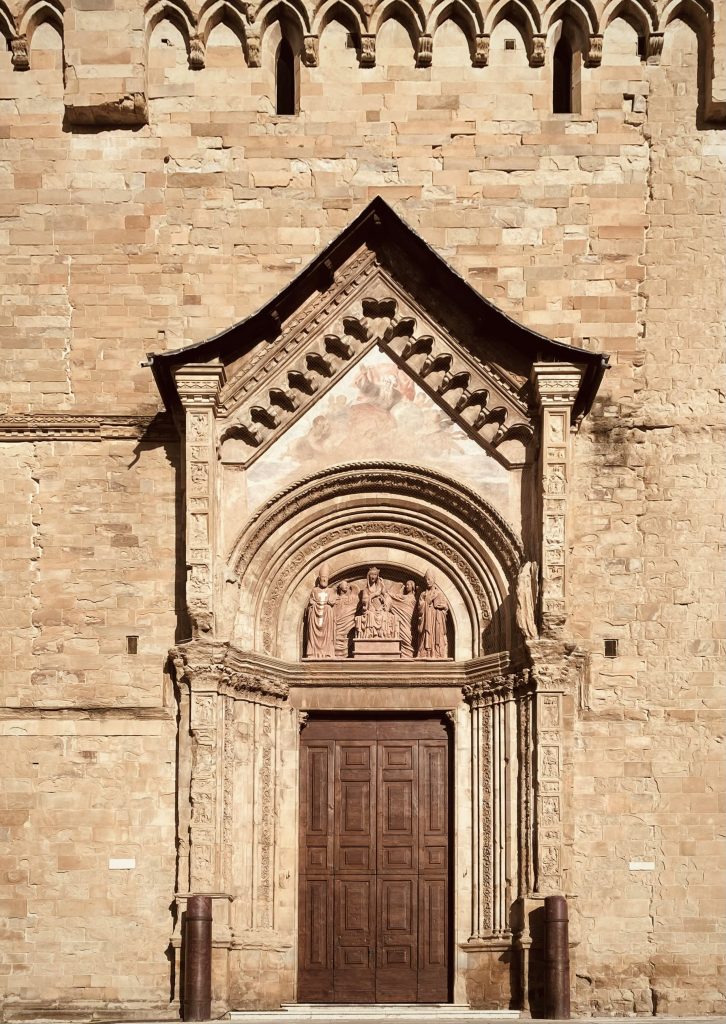
The Diocesan Museum of Sacred Art and the Bishop’s Palace in Arezzo: a short introduction
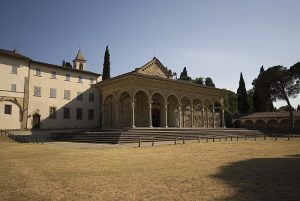
Diocesan Museum of Sacred Art of Arezzo (MuDAS) and the Bishop’s Palace are two historical jewels in the heart of Arezzo, located right in front of the Cathedral. The Bishop’s Palace, originally built in the 13th century at the behest of Bishop Guglielmino degli Ubertini, has seen numerous extensions and architectural changes over the centuries, especially between the 16th and 18th centuries, transforming from an austere residence to a splendid example of Renaissance and Baroque architecture.
The MuDAS, established in 1950 and moved to the Bishop’s Palace in 2011, now represents one of the most important collections of sacred art in the region. It houses valuable works ranging from medieval wooden crucifixes to Renaissance sculptures and paintings, telling the long and rich history of the Diocese of Arezzo and its influence on artistic production. This stop is a must for those who wish to discover the artistic and religious heritage of the city, immersed in a fascinating architectural and historical context.
History of the Bishop’s Palace: from medieval origins to Renaissance transformations
The Bishop’s Palace of Arezzo has a fascinating history dating back to the 13th century, when Bishop Guglielmino degli Ubertini decided to erect a permanent residence in front of the cathedral. This palace became the seat of Arezzo’s ecclesiastical power, representing a spiritual and cultural fortress for the diocese. Its original appearance, however, changed considerably over time: between the 16th and 18th centuries, the palace was transformed to conform to the aesthetic taste of the time, thanks to an extensive renovation ordered by Bishop Pietro Usimbardi.
During this period, the palace took on the elegant and stately characteristics it still retains today, with decorative additions and frescoes that elevate it to a true architectural masterpiece. This balance between medieval austerity and Renaissance refinement makes the Bishop’s Palace a unique place where history, art and ecclesiastical power come together in harmony.
The Diocesan Museum of Sacred Art: a journey in sacred art through the centuries
The Diocesan Museum of Sacred Art of Arezzo (MuDAS) offers a unique journey through centuries of art and spirituality, collecting works that reflect the devotion and artistic evolution of the Diocese. Founded in 1950 and moved to its current location in 2011, MuDAS displays an exceptional collection that includes sculptures, paintings, illuminated manuscripts, goldsmithing and liturgical vestments, with a focus on local works.
The museum’s rooms house treasures such as wooden crucifixes, dating between the 12th and 13th centuries, which testify to the skill of Tuscan artisans in woodworking, and pictorial masterpieces by masters such as Bartolomeo della Gatta and Giorgio Vasari. Each room is dedicated to a specific theme or artist, allowing visitors to immerse themselves in the different eras and styles of sacred art. MuDAS, with its priceless works, celebrates the rich artistic and religious heritage of the region, becoming a must-see experience for art and history lovers.
The works of art by renowned artists in the Diocesan Museum of Sacred Art: from Bartolomeo della Gatta to Giorgio Vasari
Arezzo’s MuDAS houses an important collection of works signed by some of Tuscany’s most celebrated artists, offering visitors the opportunity to admire timeless masterpieces. Prominent among them are the works of Bartolomeo della Gatta, a 15th-century Camaldolese painter and monk, whose creations reflect a deep spirituality and original style influenced by his connection to Arezzo.
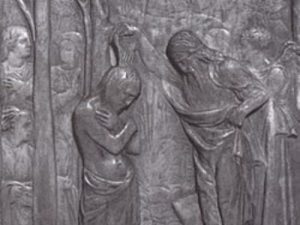
One of the focal points of the museum, however, is the works of Giorgio Vasari, an artist and art historian originally from Arezzo. Among the most significant pieces is the processional banner painted for the Compagnia dei Peducci in 1549, with scenes of the Preaching of the Baptist and the Baptism of Jesus. These masterpieces, along with a large tondo depicting Our Lady of Mercy, testify to Vasari’s mastery and influence in Renaissance sacred art. The MuDAS is thus a living tribute to the artists who made Tuscan art great, offering a privileged look at their legacy.
Bishop’s Picture Gallery and the Popes’ Room: historic spaces on the second floor of the Diocesan Museum of Sacred Art
The second floor of the Bishop’s Palace of Arezzo, opened to the public in 2016, holds evocative spaces rich in history and art. Prominent among these spaces is the Quadreria Vescovile, a collection of paintings spanning several centuries, from the 16th to the 19th, offering a journey through the main styles and artists associated with the diocese. The rooms are embellished with frescoes by Arezzo painter Teofilo Torri, which lend an elegant and solemn atmosphere.
Another room of great charm is the Camera dei Papi, set up to accommodate pontiffs visiting the diocese of Arezzo. This space has welcomed illustrious personalities, including Pope John Paul II and Benedict XVI. The Chamber bears witness to the Arezzo Church’s long tradition of hospitality, which is reflected in the Palace’s attention to detail and decorations. A visit to the second floor enriches the experience, offering an immersion in the ecclesiastical and cultural history of the city.
The Peace of Siena and other liturgical treasures: a heritage of inestimable value
Arezzo’s MuDAS preserves an extraordinary collection of liturgical treasures, precious testimonies to the devotion and craftsmanship of past eras. Prominent among them is the famous Peace of Siena, a fine example of Franco-Flemish goldsmithing dating from the early 15th century. Originally donated by Pope Pius II Piccolomini to the Cathedral of Siena, this work of art was later offered to the Cathedral of Arezzo in 1799, representing a symbol of historical ties between the dioceses.
In addition to the Peace of Siena, the MuDAS liturgical collection includes magnificent wooden sculptures, terracottas, and sacred vestments of inestimable value. Each piece, made of precious materials and finely crafted details, celebrates sacred art as an expression of faith and craftsmanship. These treasures are not only objects of worship, but also evidence of local history and culture, making a visit to the museum a unique opportunity to admire Arezzo’s spiritual and artistic legacy.
The Diocesan Museum of Sacred Art and the B&B Antiche Mura: a stay in the heart of Arezzo’s history
For those who wish to immerse themselves in the historical and artistic atmosphere of Arezzo, a visit to the MuDAS is an unmissable experience, enriched by the possibility of staying within walking distance of the museum at the B&B Antiche Mura. Located in the heart of the historic center, the B&B Antiche Mura offers a comfortable and authentic welcome, ideal for those who want to fully explore the city’s cultural heritage.
After a day dedicated to discovering the wonders of MuDAS, with its works of sacred art, the frescoes of the Bishop’s Palace and the striking Bishop’s Picture Gallery, visitors can retire to the B&B’s elegant rooms, enjoying a relaxing atmosphere steeped in history. The proximity to major attractions, including the Cathedral of San Donato and the Palazzo dei Priori, makes the B&B Antiche Mura a perfect choice for a culturally and comfortably furnished stay.