


Margaritone of Arezzo: Origins and Historical Context
In the 13th century, Arezzo presented itself as a vibrant cultural and artistic crossroads in medieval Italy, the context in which Margaritone of Arezzo began his career. During this period, the city was the scene of significant political, economic and social transformations that profoundly influenced art and culture. Margaritone’s ability to interpret and adapt to these dynamics is evident in his works, which reflect both local traditions and the broader influences of Byzantine and Gothic art.
His ability to capture the spirit of his time, integrating traditional elements with stylistic innovations, helped define Arezzo’s artistic identity at the time. The city, with its rich commissions and patron community, offered Margaritone the ideal environment to develop his unique style, positioning him as an important artistic center of medieval Italy.
Training and Artistic Style
Margaritone of Arezzo developed a distinctive style that combined elements of Byzantine art with emerging Gothic influences, bearing witness to the artistic transition of the 13th century. His training, steeped in Arezzo’s rich cultural tradition, allowed him to explore and integrate diverse artistic influences. This hybrid approach is reflected in his works, where rigid Byzantine iconography blends with a nascent Gothic sensibility, highlighting a turning point in Italian art. Margaritone’s ability to harmonize these different currents not only illustrates his craft but also the cultural dynamism of Arezzo as a crucible of artistic innovation.
The Principal Works
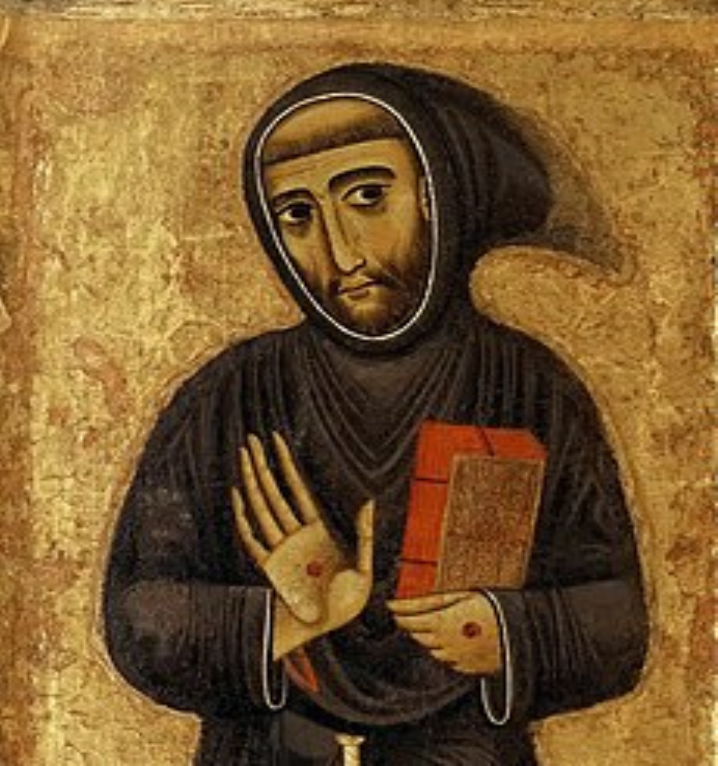
Margaritone of Arezzo left an indelible mark on Italian art with his major works, which reflect the uniqueness of his Italo-Byzantine style. Among them, the altars and representations of the Madonna and Child and St. Francis of Assisi stand out for their spiritual devotion and iconographic precision. These works, characterized by deep expressiveness and careful use of color, testify to Margaritone’s mastery of the fusion of Byzantine artistic tradition and emerging Gothic trends.
His creations not only enriched the cultural heritage of Arezzo but also influenced the development of Italian art, leaving a legacy that continues to be appreciated by visitors to museums and churches throughout Italy.
Margaritone and the Critics
Critics have often evaluated the work of Margaritone d’Arezzo in contrasting ways. Giorgio Vasari, in his “Lives,” described him in terms that were not particularly flattering, criticism reflecting the change in artistic tastes toward the Renaissance. Nevertheless, Margaritone’s historical and artistic importance is recognized today for his contribution to 13th-century painting and for his role in keeping the Italo-Byzantine tradition alive during a period of great cultural and artistic transformation.
Discovering Arezzo and Margaritone with Antiche Mura
The city of Arezzo offers a rich cultural and artistic heritage, a true treasure to be discovered, especially through the fascinating figure of Margaritone d’Arezzo. Staying at the B&B “Antiche Mura” is an excellent choice for those who wish to explore this medieval city, immersing themselves in its history and vibrant present. Our B&B in the historic center offers a warm and authentic welcome, allowing guests to enjoy all that Arezzo has to offer, from its works of art to its picturesque streets.
Discovering famous people such as Margaritone and the hidden beauties of the city will make your stay in Arezzo an unforgettable experience.